Training Tip: Incorporate Waiting Periods into Your Training
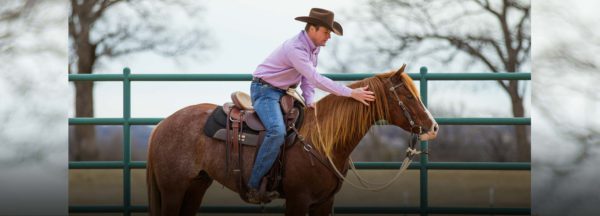
If you want your horse to wait for your cues and be patient, you have to practice. Whatever you practice with your horse is what he gets good at. I literally include periods of waiting into my training sessions. For example, my performance horses often anticipate lead departures. When I feel a horse doing that, I walk them forward on a straight line, push their hip up to set them up for the departure and then instead of kissing and asking them to lope off, I hold the position for a few seconds and then do the complete opposite – take the pressure off and walk the horse in a straight line again. I don’t want my horses getting into the habit of thinking that every time I push their hip up it means we’re going to canter because horses are very smart about knowing what we’re going to do before we do it. Before long, he’ll figure, “Why wait for the kiss? I’ll just canter off as soon as he puts his leg back.”
If you’re conscious about building these “waiting periods” into your training sessions, not only will it teach your horse to slow down and pay attention to you, but it’ll stop you from rushing through the maneuvers as well.
