Training Tip: Don’t Be Quick to Ride Away
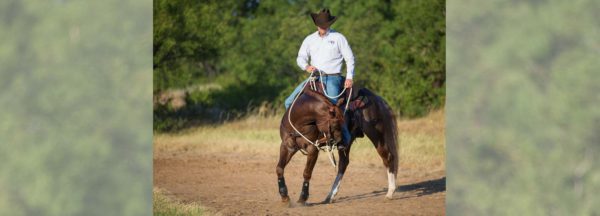
Once you’re in the saddle, spend a few minutes flexing the horse’s head from side to side. This not only reminds the horse to be soft, but it’s also a great way to remind him that when you get in the saddle, it’s not his cue to immediately walk forward. Too many people swing up in the saddle and then send the horse down the trail. Because horses are great at anticipating us, pretty soon, as soon as you put your foot in the stirrup, he’s already walking off. Teach him to relax and wait by spending a few minutes flexing his head from side to side.
Then practice a few minutes of Bending at the Walk. This is a great “listen to me” exercise because you’re constantly checking in with the horse. Are you soft and supple and listening to my cues? Or are you heavy on the bit and have “forward, forward, forward” on your brain?
Right from the start, let the horse know that even though you’re in a new environment, you’re still the one calling the shots. It’s reassuring to your horse because it gives him confidence knowing that he can expect you to lead him and keep him out of danger.
Once you’re confident you’ve got your horse soft and using the thinking side of his brain, you’re ready to begin your training session.
