Move On To The Next Step
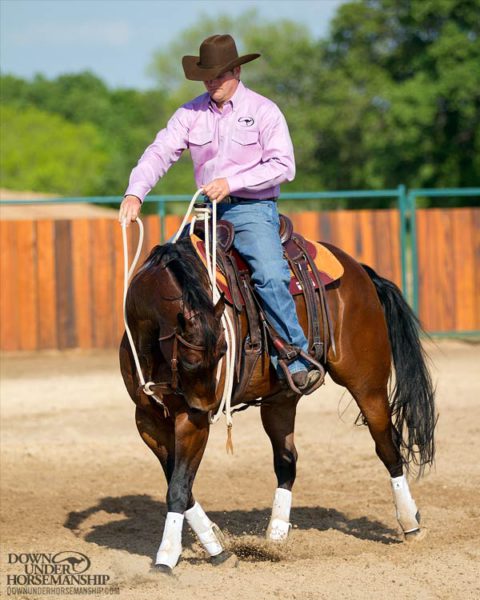
Don’t get stuck in the Fundamentals! Once you and your horse have completed the first level of the Method, move on to the Intermediate Series. In the second level of the Method, Clinton shows you how to build on the concepts of respect, control and communication you worked to establish in the Fundamentals Series. Lessons in the Intermediate Series focus on gaining even more control of your horse’s feet on the ground and achieving true lightness and suppleness in the saddle. Each of the 33 exercises is like a tool that you can store in your tool box. When you have the proper tools to fix a problem, you’ll have the confidence to progress and challenge your horse. With the right tools and knowledge, you can build a great partnership.
Renowned for his practical, in-depth instruction, Clinton will take you step-by-step through the second level of the Method in his Intermediate Series, getting you one step closer to a truly outstanding partner.
You and your horse can get one-on-one help from Clinton and his clinicians to perfect the second level of the Method at the Intermediate Clinic being held this fall at the Downunder Horsemanship Ranch in Stephenville, Texas. Learn more about the clinic on our website or contact Brittney at [email protected] or 254-552-1080.
