Misconceptions in Selecting Forage for Horses – Forage Cutting
By Dr. Stephen Duren, Performance Horse Nutrition and Standlee Premium Western Forage® Nutritional Consultants
Forage in the form of hay or pasture is the primary ingredient in the diet for most horses. Horses can consume many different varieties of high-quality forage, both alfalfa and grasses, without digestive upset provided the horse is properly adapted to the forage.
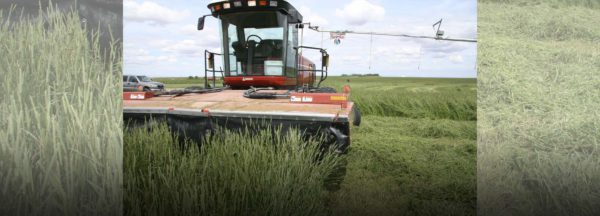
Depending on climate conditions, length of growing season and the variety of forage, it is possible to have as few as one cutting or as many as seven cuttings in a season.
Misconception: Horses can only eat first-cutting forage, or horses can only eat third-cutting forage.
Fact: The quality or the suitability of forage for horses is not determined by the “cutting” but instead is determined by the height of the plant at the time of cutting. The taller a plant becomes, the more of its structure is dedicated to supporting the plant to keep it upright. This means as plants become taller, they become more fibrous, like trees, and less digestible. Taller plants will contain less energy, less protein and be less digestible compared to shorter plants.
Solution: So selecting forage should be based on the height of the plant at the time of harvest rather than if it is first or second cutting. For example, if rain delays the harvest of a cutting of forage, the forage will become taller and less digestible, which may cause it to be low-quality for horses.
