Horses Needed for Colt Starting Clinic
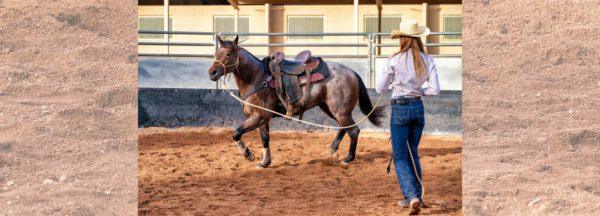
Each year, we hold a Colt Starting Clinic for our Method Ambassadors to become certified to start horses. With the certification, Method Ambassadors are available to start horses under saddle for the public. Each time they attend the annual Colt Starting Clinic and earn certification, ambassadors receive a star. Five stars is the highest rating an ambassador can earn. It’s Clinton’s way of recognizing those who are committed to excellence and continuing to refine their horsemanship skills.
We are looking for several horses for our Method Ambassadors to work with at this year’s clinic that takes place October 4 through the 14 at the Downunder Horsemanship Ranch in Farmington, Arkansas. During the clinic, the ambassadors take their horses through the entire colt-starting method, from introducing the saddle to doing the first ride through taking the horses outside the roundpen and riding in the pasture.
The horses must be between the ages of 2 and 5 and have no experience being ridden or saddled. The cost is $2,000 per horse. Clinton shares details about what we’re looking for in this short video.

If you’re interested in the opportunity, reach out to our office at [email protected] or 888-287-7432.
