Holiday Barn Safety: Winter Tips Every Horse Owner Should Know
By Standlee Premium Western Forage
The holidays are here, but winter doesn’t take a break – and neither does barn safety. Cold weather brings a whole new list of hazards that can affect your horse’s comfort, behavior, and overall safety.
Whether you’re hauling, training, or keeping things quiet at home this week, these winter safety tips can help prevent injuries, stress, and emergencies around your barn.
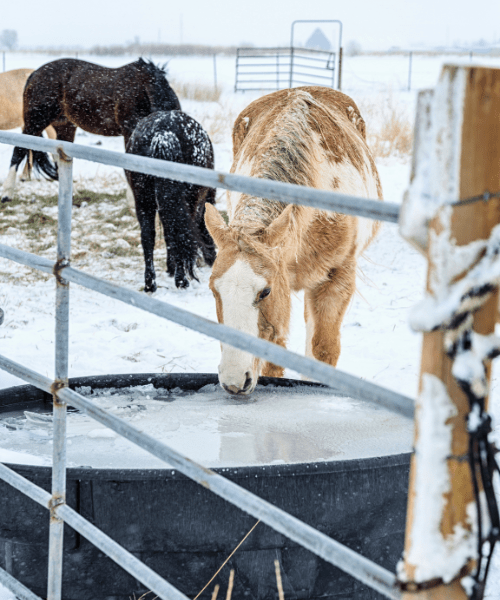
Prevent Frozen Water Hazards
Frozen buckets and icy troughs are more than an inconvenience; they’re one of the biggest winter risks for horses.
Horses drink 6-15 gallons a day, but cold weather reduces thirst.
Less water = higher colic risk, especially impaction colic.
Keep water safe by:
- Using heated buckets or tank heaters
- Keeping water between 45–65°F
- Checking water sources twice a day
- Adding soaked forage (pellets, cubes, or beet pulp) to boost hydration
- Making sure cords and heaters are properly installed and out of chewing reach
Hydration directly affects performance, attitude, digestion, and stamina – even in cold weather.
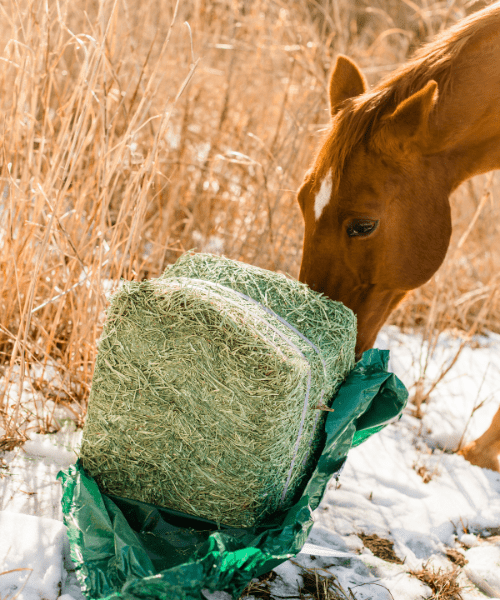
Store Hay & Forage Safely Through Winter
Winter hay storage isn’t as simple as stacking bales under a roof.
Moisture, rodents, and temperature swings can all lead to mold, dust, spoilage, or fire hazards.
Safer winter storage includes:
- Stacking bales on pallets, not directly on floor
- Maintaining airflow around forage
- Keeping hay away from heat sources and electrical panels
- Checking regularly for mold, heating, or dampness
- Storing bagged forage in sealed bins to prevent moisture
Clean, dry, stable forage is one of the most important winter safety essentials you can provide.
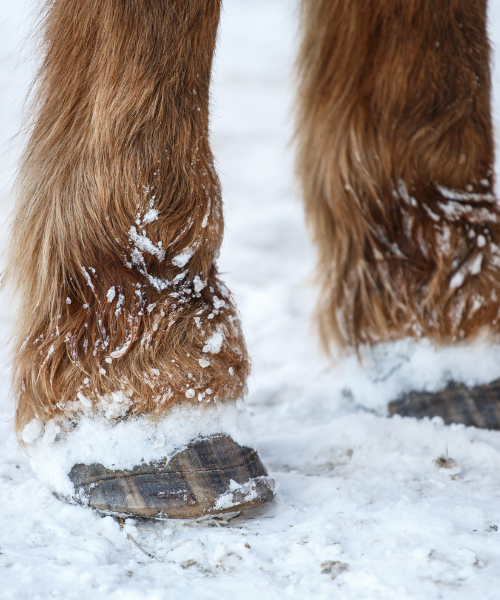
Prevent Slips, Falls, & Ice-Related Injuries
Icy surfaces can turn handling and groundwork into dangerous situations quickly.
Reduce slip risk by:
- Applying sand, screenings, or stall dry at barn entrances
- Clearing snow before it becomes packed and slick
- Keeping pathways salted where horses won’t walk
- Using hoof boots or snow pads for horses that ball up snow
- Avoiding fast turns or tight groundwork on frozen ground
A spooked horse on ice can injure themselves – and the handler. Winter footing management is one of the most overlooked safety strategies.
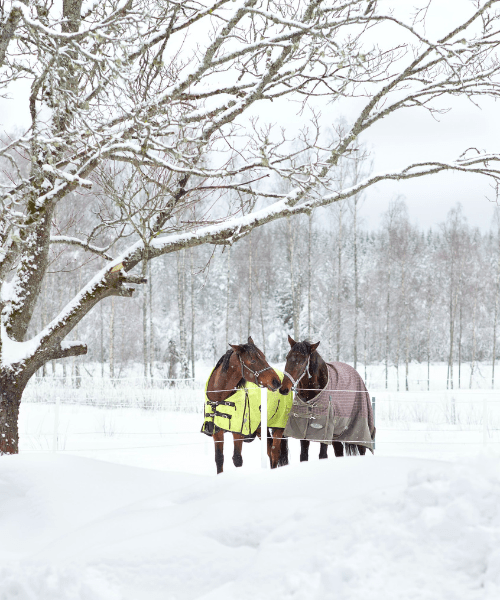
Safe Blanketing, Grooming & Turnout
Blanketing mistakes and winter coat issues are extremely common.
For safer winter blanketing:
- Always check for rubs, pinching, and shifting straps
- Avoid over-blanketing (a hot horse can colic or chill when sweat dries)
- Choose waterproof blankets during snow or sleet
- Adjust blanket weight for wind chill, not temperatures alone
Grooming keeps horses safer too:
- Curry daily to lift mud and prevent skin infections
- Keep legs dry to reduce scratches
- Check under blankets for rain rot or dull patches
- Monitor body condition weekly – don’t let coats fool you
Turnout safety tips:
- Avoid icy areas
- Make sure gates open/close easily (no ice jams)
- Check fences after storms
- Remove ice balls from hooves daily
A safer winter routine = a safer, more trainable horse.
Build a Safer Winter for You and Your Horse
Winter doesn’t have to derail your training or your horse’s comfort.
Small, consistent changes like improving footing, monitoring water intake, and choosing the right forage can make a big difference in your horse’s behavior, body condition, and safety.
Good winter management leads to a horse that’s:
- Comfortable
- Hydrated
- Sound
- Focused
- Ready to train come spring
For more winter care resources – including forage tips, hydration strategies, and blanketing guidance – visit: www.standlee.com
