Training Tip: Two Culprits of Aggression in Horses
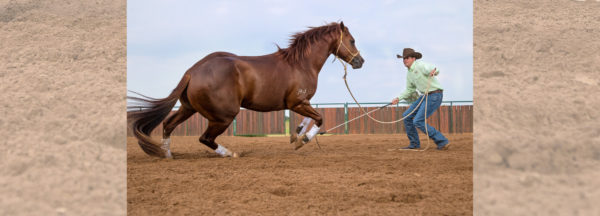
Horses become aggressive for two main reasons. Sometimes they develop aggressive behavior because they feel threatened and think that aggression is the only way to protect themselves. Horses that are trained by people that I describe as Barbarians often fall into this category. The trainer keeps increasing the pressure without giving the horse a chance to respond, and finally, the horse gets so frustrated and confused that he lashes out toward them. Remember, horses are prey animals with an ingrained flight or fight response. When they are scared, their first thought is to run. If they can’t run away from a situation, then they fight. They kick, bite, strike and do whatever they can to survive.
In other cases, horses are taught to be aggressive and dominate humans. For example, let’s say you ask your horse to move out of your way, and he says, “Get lost!” by pinning his ears back or turning his butt toward you. If you walk away, you’ve just said, “Feel free to push me around anytime you’d like.” When a horse realizes that he can move your feet or get out of work by copping an attitude, his behavior will just get worse until he’s dominating you in every aspect.
So, how can you stop aggressive behavior in your horse? Become a knowledgeable and trustworthy leader for him. That starts by educating yourself and understanding how your horse thinks and perceives the world around him. Helpful resources to accomplish this are my Philosophy videos. They’re a free resource you can access on the Downunder Horsemanship app by going to the NWC Videos category. (The Downunder Horsemanship app is a free download from the App Store and Google Play.)
Once you understand basic horse psychology, you can begin working with your horse on the ground to earn his respect and build his trust in you. When you’re following the Method that starts with the Fundamentals Series.
