Training Tip: What to Do When Horses Whinny Out on the Trail
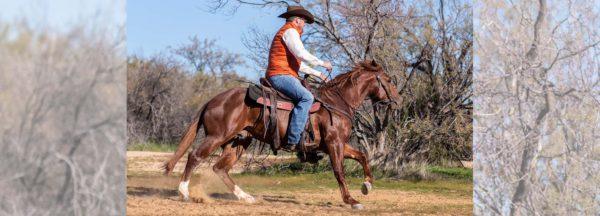
We routinely ride all our horses away from home. Oftentimes, during the first few training sessions in new environments, young, green horses will whinny out, searching for their buddies. A horse whinnying out like that doesn’t bother me because I know once we get going, they’ll stop worrying about where their buddies are and focus on me. In most cases, it’s just young, inexperienced horses being young, inexperienced horses.
Oftentimes, busy-minded horses are guilty of sending shrill whinnies up and down the trail or while at a horse show, hoping to hear a response from another horse. Horses’ voices carry very well, which can attract a lot of attention and make for embarrassing situations. When your horse whinnies, he’s telling you in big bold letters that his attention is not on you. A horse that is focused on his rider and the job at hand does not have time to be calling out. It’s a clear sign that you’re not engaging him enough and getting him to use the thinking side of his brain.
When you’re with a horse that’s anxious and unsure, get his feet moving. Train on him and give him a purpose. If you’re in the saddle, practice Bending Transitions. Two-track him. Sidepass up and down the trail. If you’re on the ground, put his feet to work with Lunging for Respect Stage Two. Back him up. Practice the C-Pattern. How you ask your horse to move his feet isn’t important, what is important is getting him to focus on you and not worry about where his buddies are at or finding new horses to connect with.
Even though it can be embarrassing when your horse is whinnying out and causing a scene, remind yourself that it’s normal. When you first take a horse away from home, it’s common for him to be nervous and call out to other horses. For the most part, when this happens to me, I ignore it. I just focus on training the horse, because I know once I get him moving his feet forwards, backwards, left and right, he won’t have time to be worried about his buddies. In that way, the problem disappears on its own.
Looking for more training tips? Check out the No Worries Club. Have a training question? Send it to us at [email protected].
